DMSELABData-driven Materials Synthesis and Engineering

RESEARCH

Data-driven synthesis,
from pores to performance.

We design nanoporous materials with data, make them with controlled synthesis, and put their interfaces to work in adsorption, catalysis and electrochemistry. Every synthesis and every measurement becomes a data point for the next design.

데이터로 설계하고, 합성으로 구현하고, 계면에서 성능을 확인하는 연구.

AT A GLANCE

Five areas, one loop.

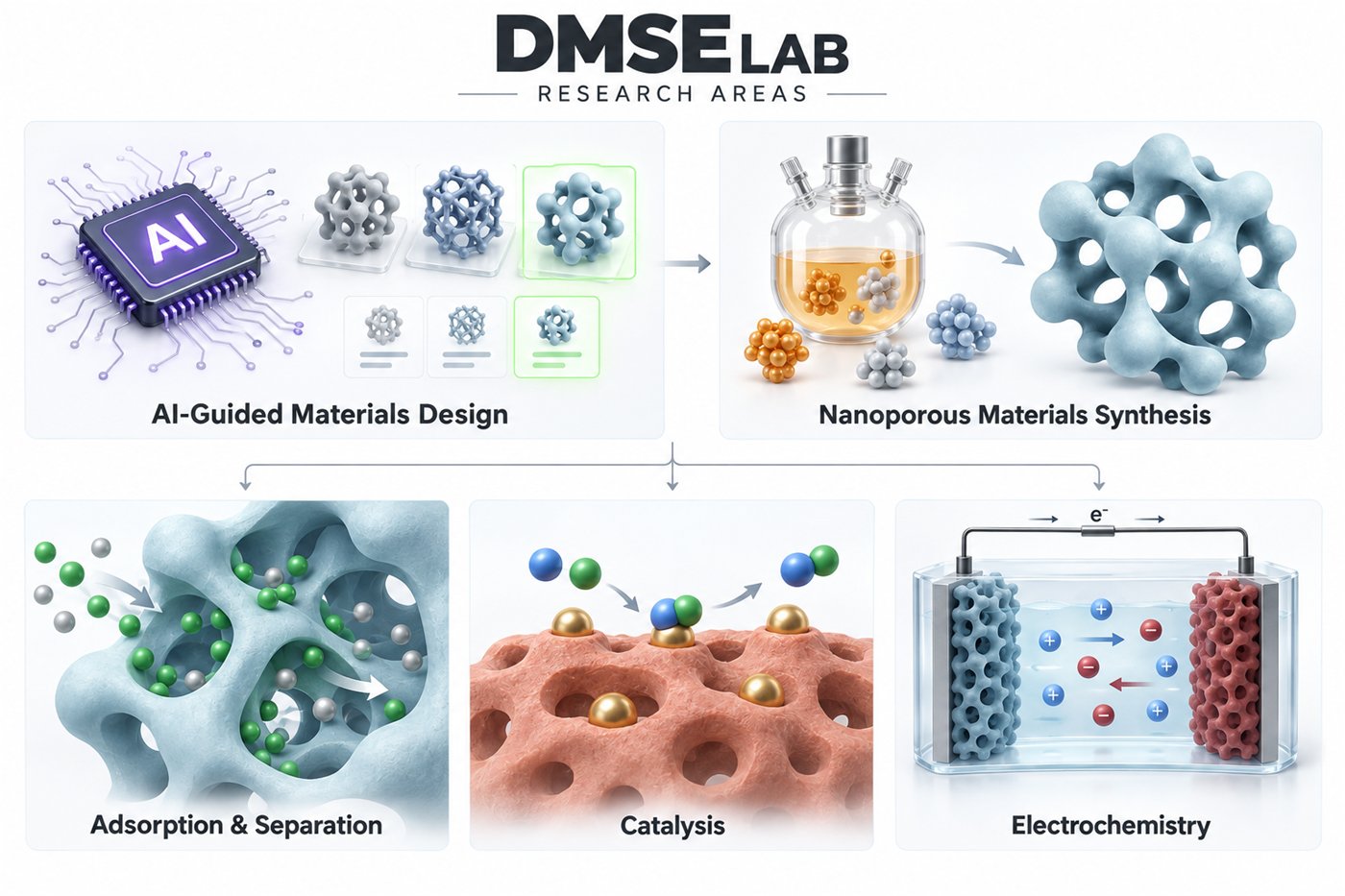
Design and synthesis feed three application fields. What we learn there goes back into the next design.

See it in the material world
DMSE Lab research areas: AI-guided materials design and nanoporous materials synthesis feeding adsorption and separation, catalysis, and electrochemistry

HOW WE WORK

Four stages.

01 · DESIGNDesign the space within.Pore architecture and interfaces are chosen as variables, not accidents: geometry, connectivity, surface chemistry.
02 · SYNTHESISGive the architecture form.Sol–gel, hydrothermal and solvothermal routes turn a design into a connected porous solid. Recipes are recorded as data.
03 · APPLICATIONSFrom interfaces to function.Adsorption, catalytic reactions and ion transport are measured on the same materials, under conditions that matter.
04 · AI DISCOVERYLearn. Redesign. Discover.Models trained on our own synthesis and performance data propose the next candidates, and the loop closes.

RESEARCH AREAS

What we work on.

01 · DESIGN

AI-guided materials designAI 기반 소재 설계
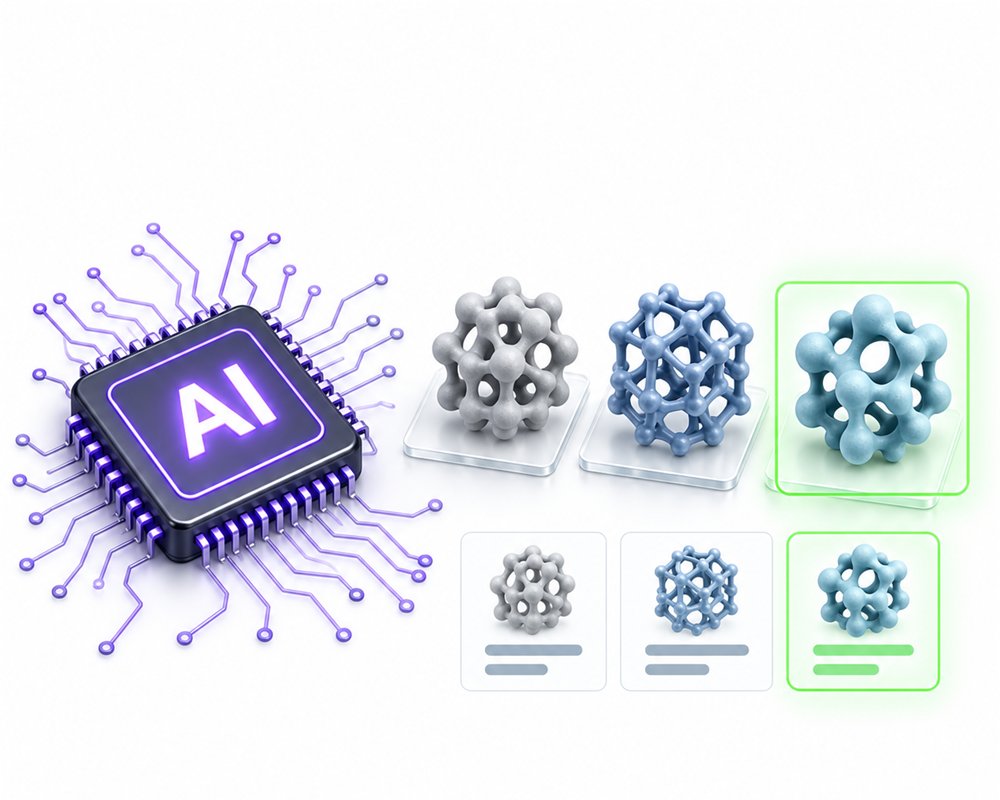
Machine-learning models trained on synthesis conditions, structure and measured performance propose the next candidates. Foundation machine-learning interatomic potentials screen catalyst surfaces before anything is made; potential-resolved microkinetic models map selectivity; active learning decides which experiment is worth running. Large-language-model literature mining builds datasets where none exist yet, with every extracted number traced back to its source.

The goal is not a model for its own sake but a shorter path from a question to a material in hand.

  • Machine-learning interatomic potentials
  • Computational hydrogen electrode · NEB
  • Microkinetic modelling
  • Active learning
  • Literature mining
02 · SYNTHESIS

Nanoporous materials synthesis나노다공성 소재 합성

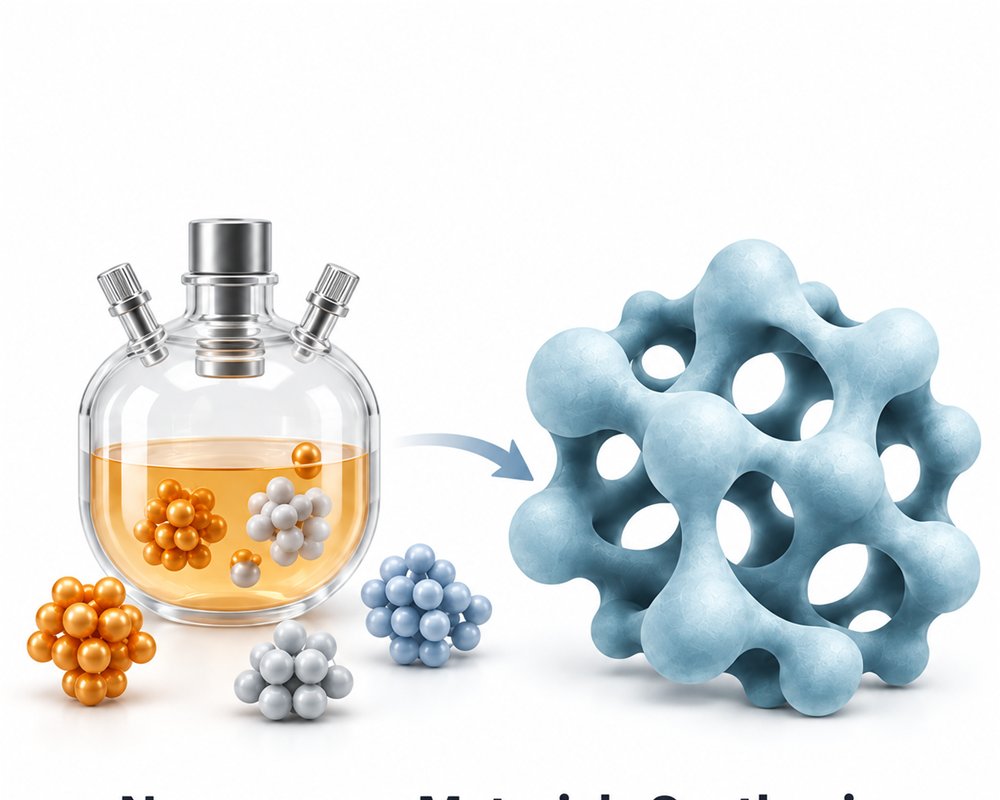
Sol–gel, hydrothermal and solvothermal routes to aerogels, metal oxides, metals and metal sulfides with controlled porosity, composition and interfaces. Supercritical and ambient-pressure drying preserve open frameworks. Pore geometry, connectivity and surface chemistry are quantified by gas physisorption, electron microscopy, X-ray diffraction and X-ray photoelectron spectroscopy, and treated as design variables rather than outcomes.

  • Sol–gel chemistry
  • Aerogels
  • Supercritical drying
  • Hydrothermal · solvothermal
  • Physisorption · SEM/TEM · XPS · XRD
03 · ADSORPTION

Adsorption & separation흡착 및 분리

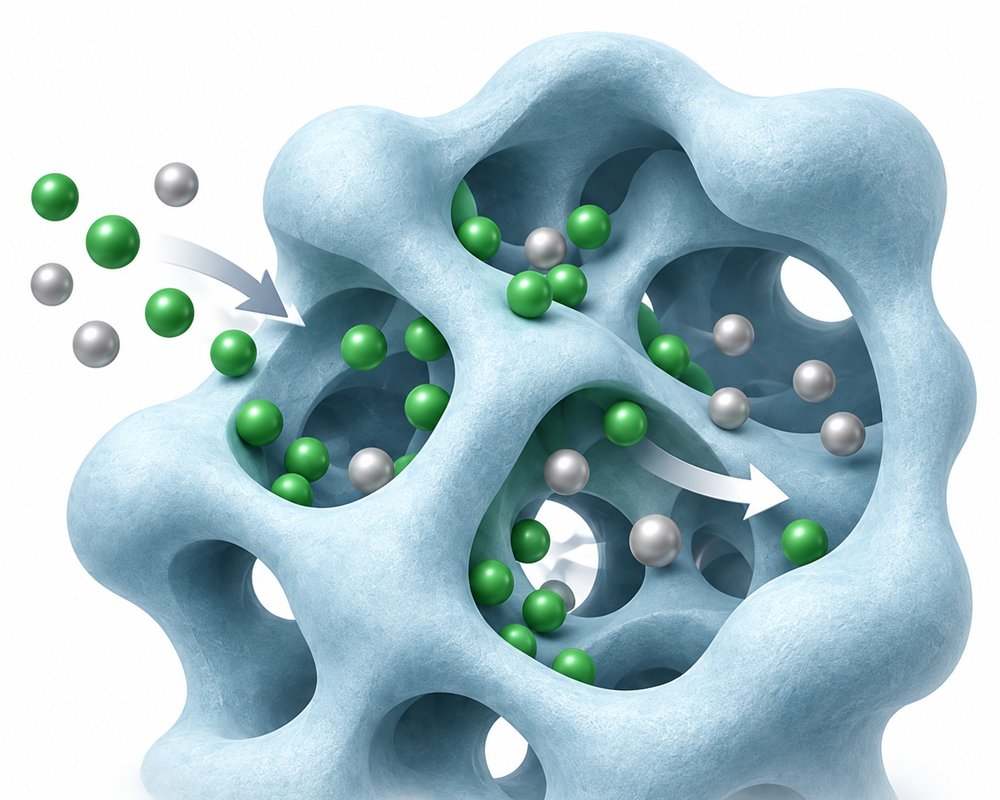
Electrified CO₂ capture and release, heavy-metal removal and molecular separation on porous interfaces where binding can be switched by potential rather than by heat. High-surface-area frameworks give every site a path in and a path out, so that capacity and rate are measured on the same material.

  • Electrified CO₂ capture
  • Cation effects on MnO₂
  • Heavy-metal removal
  • Selective binding
04 · CATALYSIS

Catalysis촉매

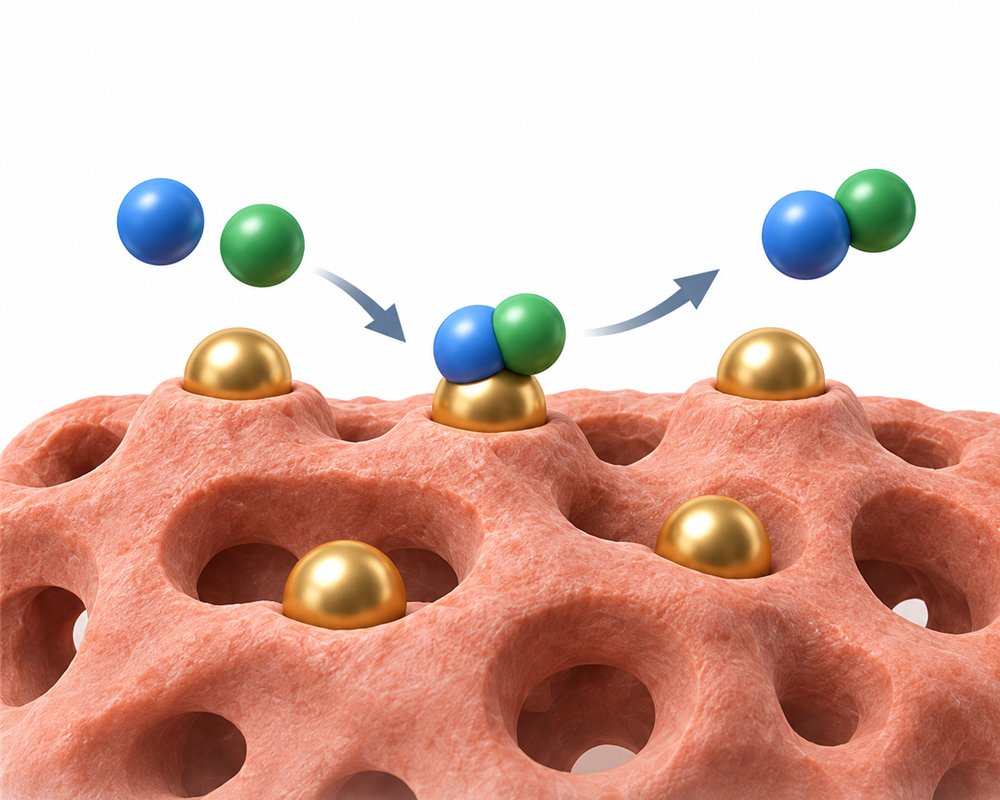
Electrocatalytic water splitting on noble and non-noble metals, binary and ternary oxides and layered double hydroxides; ammonia oxidation for direct ammonia fuel cells and nitrogen remediation; plasma-assisted electrochemistry for direct methane partial oxidation and NOₓ reduction. Aerogel electrocatalysts give active sites open transport paths, so that what is measured is the chemistry and not the diffusion limit.

  • HER · OER
  • Ammonia oxidation
  • Plasma-electrochemistry
  • Noble-metal-lean catalysts
  • Layered double hydroxides
05 · ELECTROCHEMISTRY

Electrochemistry전기화학

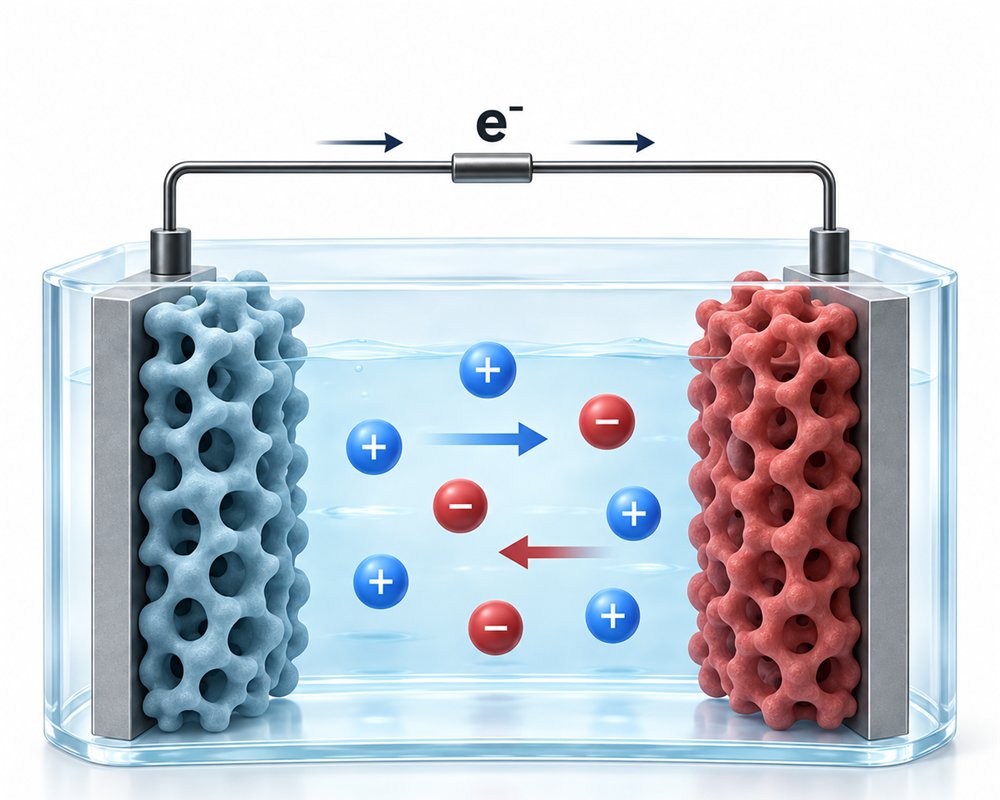
High-surface-area porous electrodes and supports for electrochemical energy conversion and storage: electrolyzers, supercapacitors and battery electrodes built from hierarchical porous metal oxides and carbons, where ion transport and interfacial reactions meet.

  • Electrolyzers
  • Supercapacitors
  • Battery electrodes
  • Porous carbon and oxide supports

Read the papers.

Journal articles behind each of these areas, newest first.

Publications